— 7 min read
The Hidden Treasures of Wadi El Natroun
Introduction and Early History
The historical significance of Wadi El Natroun extends back to the Pharaonic era when there is proof of human settlement and commercial activity. The valley was an important center for trade and cross cultural contact in antiquity due to its advantageous location along trade routes and easy access to natural resources. (Egypt trips)
provide you with a unique opportunity to visit Wadi El Natroun.
Christian Monasticism's Ascent
Wadi El Natroun became a major hub for Christian monasticism in the fourth century AD, attracting monks looking for seclusion and spiritual enlightenment amid the desert. Ascetic practices and communal life found their ideal setting in the hard yet quiet surroundings, which eventually gave rise to multiple monastic communities.
Spiritual Heritage and Monastic Communities
The famed Monastery of Saint Macarius was among the several monasteries that sprang up in the valley. These monastic communities were essential in the development of a dynamic spiritual tradition that continues to uplift Christians all over the world, as well as in the preservation and propagation of Christian beliefs.
During the Byzantine era, Wadi El Natroun was a center of learning and knowledge that drew pilgrims, theologians, and philosophers from all over the world. The monasteries developed into hubs of scholarship, encouraging the creation of manuscripts that enhanced Christian doctrine and practice as well as theological discussions.
The Impact and Persistence of Islam
Although there was a change in theological and cultural dynamics, Wadi El Natroun's significance persisted after the Islamic conquest of Egypt in the seventh century. Islamic leaders permitted the coexistence of Christian and Muslim populations in the area by acknowledging the valley's historical significance and upholding its holiness.
The Monasteries of Wadi El Natroun
The Age Old Tradition of Monasticism
The significance of Wadi El Natroun stems from its connection to Christian monasticism, a practice that dates back to the early Common Era. In this hostile desert environment, monks and ascetics aspired to follow in the footsteps of the Desert Fathers, leading lives centered around prayer, fasting, and introspection in the hope of achieving enlightenment.
Marvelous Architecture and Hallowed Areas
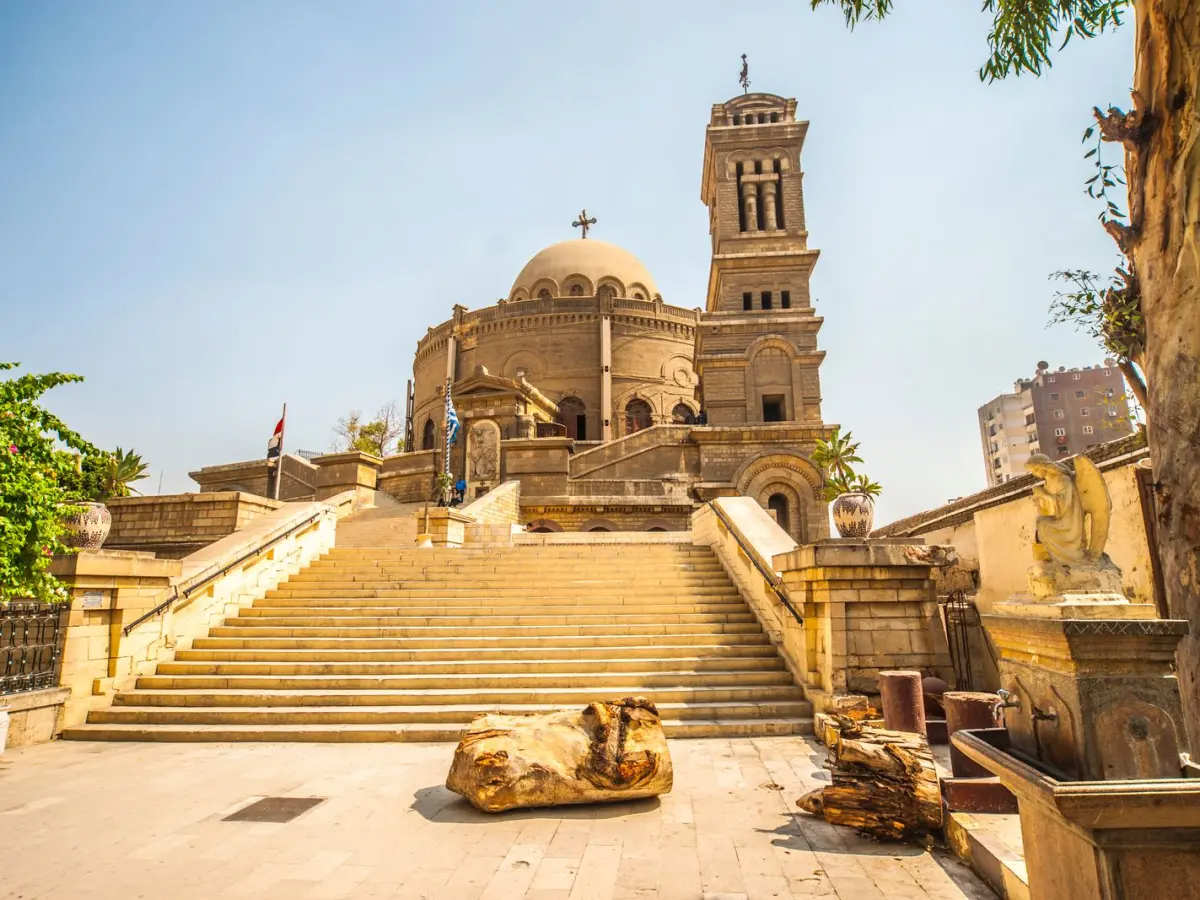
Not only are the monasteries of Wadi El Natroun stores of spiritual enlightenment, but they are also architectural wonders that attest to centuries of skill and dedication. These hallowed places evoke wonder and devotion in everyone who visits them, from the towering domes of the Church of Saint Macarius to the elaborate murals that cover the walls of the Monastery of Saint Bishoy.
Plan Your Visit to Wadi El Natroun
Arranging and Getting Ready
Making the necessary preparations is crucial before you travel to Wadi El Natroun. The desert environment may be severe, especially in the summer, so check the weather forecast and pack appropriately. Because there might not be as many facilities as possible around, make sure you have enough food, drink, and other necessities on hand. To improve your experience, become acquainted with the monastery's background and importance.
Wadi El Natroun is conveniently reachable by automobile (tour from Cairo), being around 100 kilometers northwest of the city. For a relaxing travel, think about renting a car or employing a private driver. Or you might take one of the scheduled trips, which offer easy transportation and guided support, from Cairo and other large cities to the monasteries.
Wadi El Natroun itself does not have any hotels or guesthouses, but neighboring towns like El Mahalla El Kubra and Sadat City provide a variety of lodging choices to fit any budget. since an alternative, it's a good idea to check beforehand since certain monasteries could provide simple housing for travelers and pilgrims.
Honor and Reverence
Remember to respect the holiness of the monasteries and the monks who live there as you go through Wadi El Natroun. Wear modest clothing and abide by any rules or regulations pertaining to prayer, quiet, and photography.
In the tranquil settings, spend some time in reflection and meditation, allowing the spiritual energy of the valley to nurture your soul.
Spiritual Journeys in Wadi Natroun
Determining the Goal
As you go on your spiritual adventure in Wadi El Natroun, make sure your intentions are clear. Whether you're going through the holy valley in search of enlightenment, inner serenity, or a closer relationship with the divine, write down your purpose and follow it.
When you approach Wadi El Natroun, acknowledge the old wisdom that permeates the desert and approach with reverence and humility. Pause for a minute and say a silent prayer of thanksgiving for the chance to travel this hallowed path and let the desert change you.
Harmony with the Natural World
Give surrender to the untainted beauty of the desert and let your senses be overwhelmed by its immensity. Stroll among the rocky formations and sand dunes while taking in the sound of the wind whispering and the old stones remaining silent. As you listen to nature's rhythms and take comfort in its enduring presence, let it serve as your guide.
Meditation Techniques
To quiet your mind's incessant chatter and strengthen your spiritual connection, practice contemplation. Locate a peaceful area where you may sit in silence and have a conversation with the divine, either in the middle of the desert or inside the revered halls of the monasteries. To become more receptive to the mysteries that arise both within and outside of oneself, engage in meditation, prayer, or just being in the present moment.
Renewing and Integrating
As your spiritual exploration in Wadi El Natroun draws to an end, give careful thought to the understandings and understandings you have received along the route. Consider how the quiet embrace of the desert has awakened your heart and rejuvenated your spirit. With the knowledge that the wisdom of the desert will continue to direct your path long after you have left, express your thanks for the benefits you have received and bring the light of your trip back into the world.
Know More about the Religious Significance of Wadi El Natrun in Ancient Egypt
Temples and Cult Centers
Osiris Cult: The Osirian cult, which centered on the story of Osiris' death and resurrection, was intimately associated with Wadi El Natron. According to legend, the salt lakes in the region represent the tears that the goddess Isis wept on behalf of Osiris. you can take a tour of Wadi El Natroun from Cairo to know more.
Temples and Shrines: Osiris and other gods connected to death and the afterlife were the subjects of temples and shrines constructed by the ancient Egyptians. Priests and followers used these religious buildings as hubs for worship and ceremonies.
Methods of Mummification
Mummification Workshops: The process of mummification was carried out in workshops located in Wadi El Natron.
The dry and arid circumstances of the natural world made it perfect for naturally desiccating bodies.
Interment Procedures: The region served as a cemetery for both commoners and dignitaries. Discoveries of tombs and catacombs have provided insight into the elaborate burial practices that the ancient Egyptians employed to guarantee a secure transition to the afterlife.
Rituals and Offerings
Contributions to the departed: Food, drink, and personal items were among the offerings made in graves and tombs to help the dead in the afterlife.
Ritualistic Practices: To guarantee the deceased's smooth transition into the afterlife, priests and embalmers carried out rituals calling on the protection of gods such as Osiris and Anubis, the god of mummification and the afterlife.
Even in the face of extreme desert environments, Wadi El Natroun is a monument to the human spirit and perseverance. Discover the tales of monks and pilgrims who found peace and enlightenment among the dunes as they stroll along its historic pathways and discover its hidden gems. Wadi El Natroun provides a window into Egypt's legendary history and the resilient spirit of its people with its tranquil oasis, historic monasteries, and timeless scenery.
Ready to see it for yourself?
Tell us your dates and we'll plan the trip around you.